
Past exhibition
Markéta Othová, Michael Bielický and Kamila B. Richter – The world through lenses, in pixels and digital fluidity
01.03.2026 – 31.05.2026
With its second parallel exhibition, the Ludwig Museum once again focuses on the art scene of the neighboring Czech Republic, addressing both contemporary photographic positions and the question of how much image information should be questioned in the digital age and how much it is subject to constant change. The exhibition of Markéta Othová, Michael Bielický and Kamila B. brings together three artistic positions which, despite their different media approaches, pursue a common exploration of pictorial reality and our perception of time. Their works reflect a world in which images are not only perceived, but also create a reality that can be permanent or fleeting.
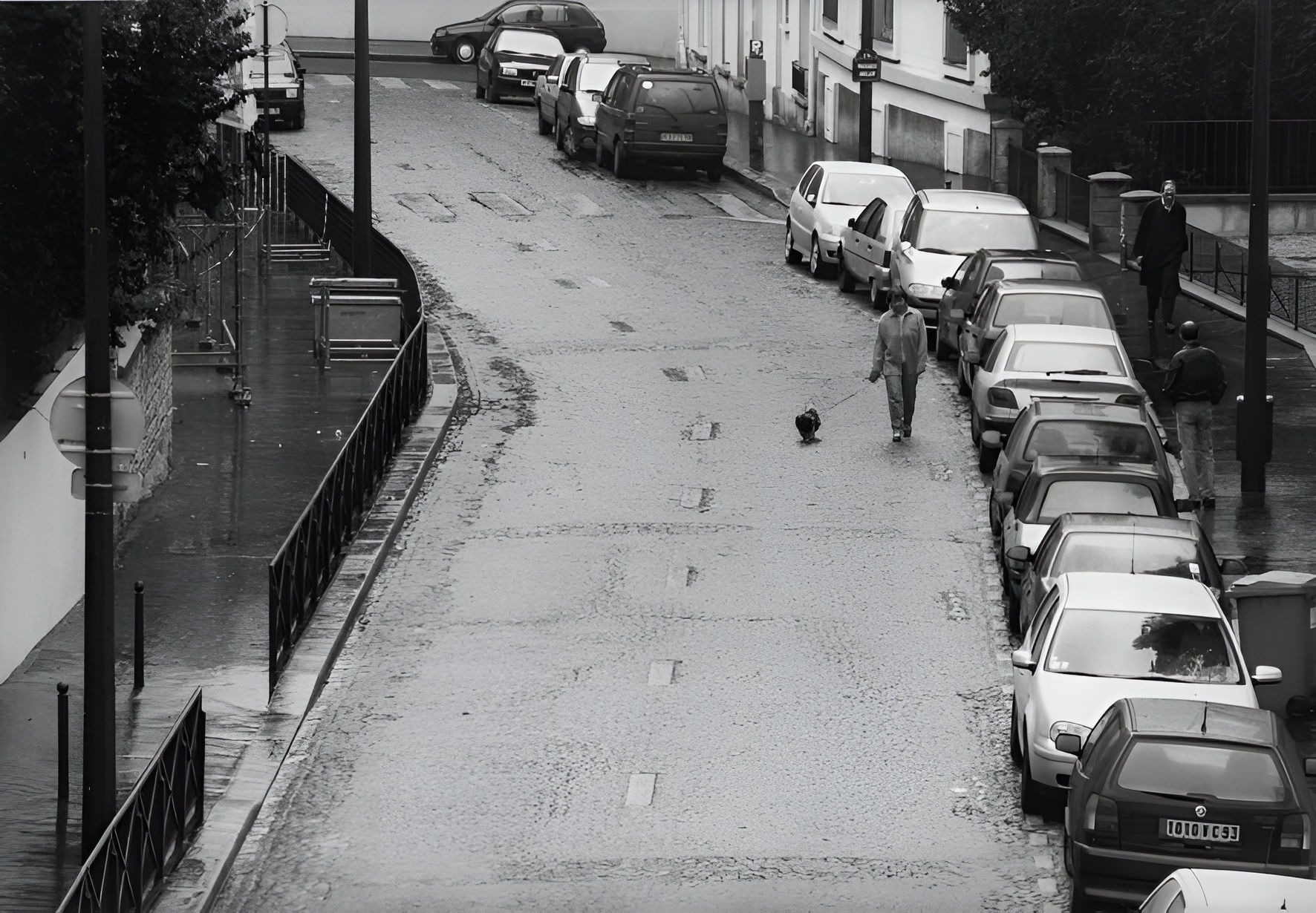
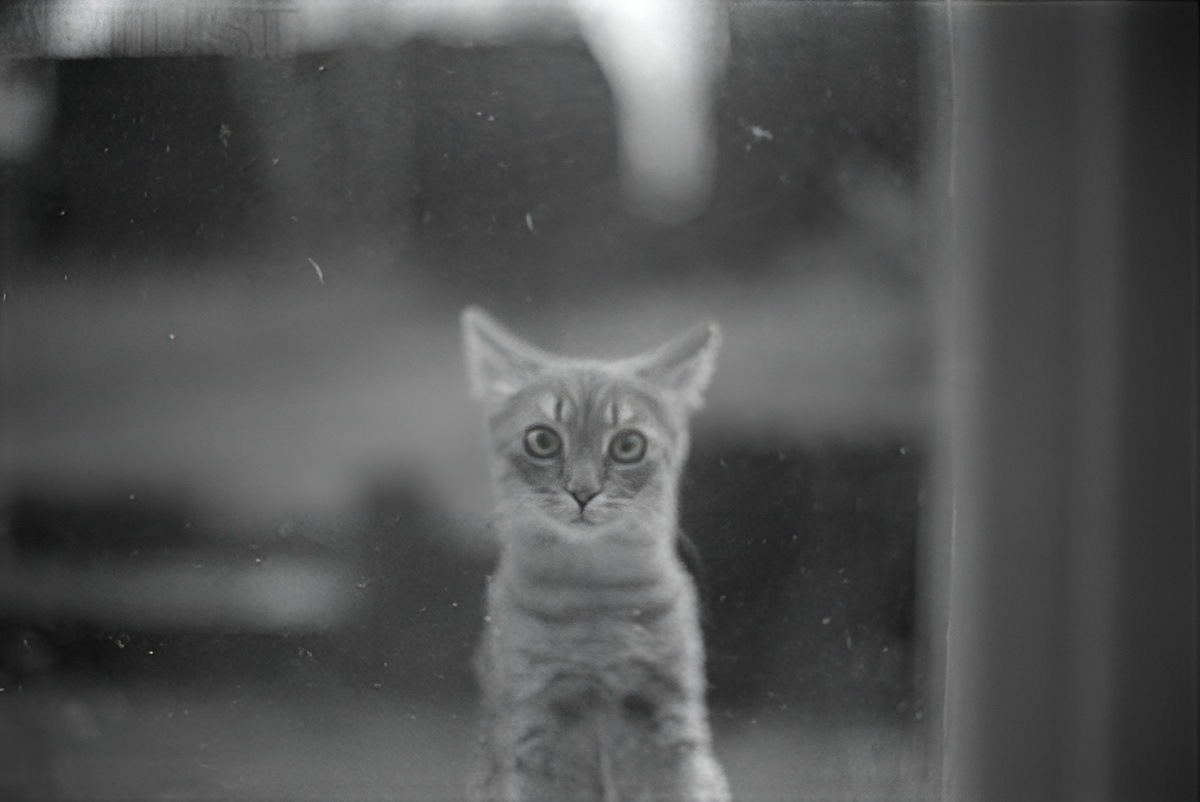
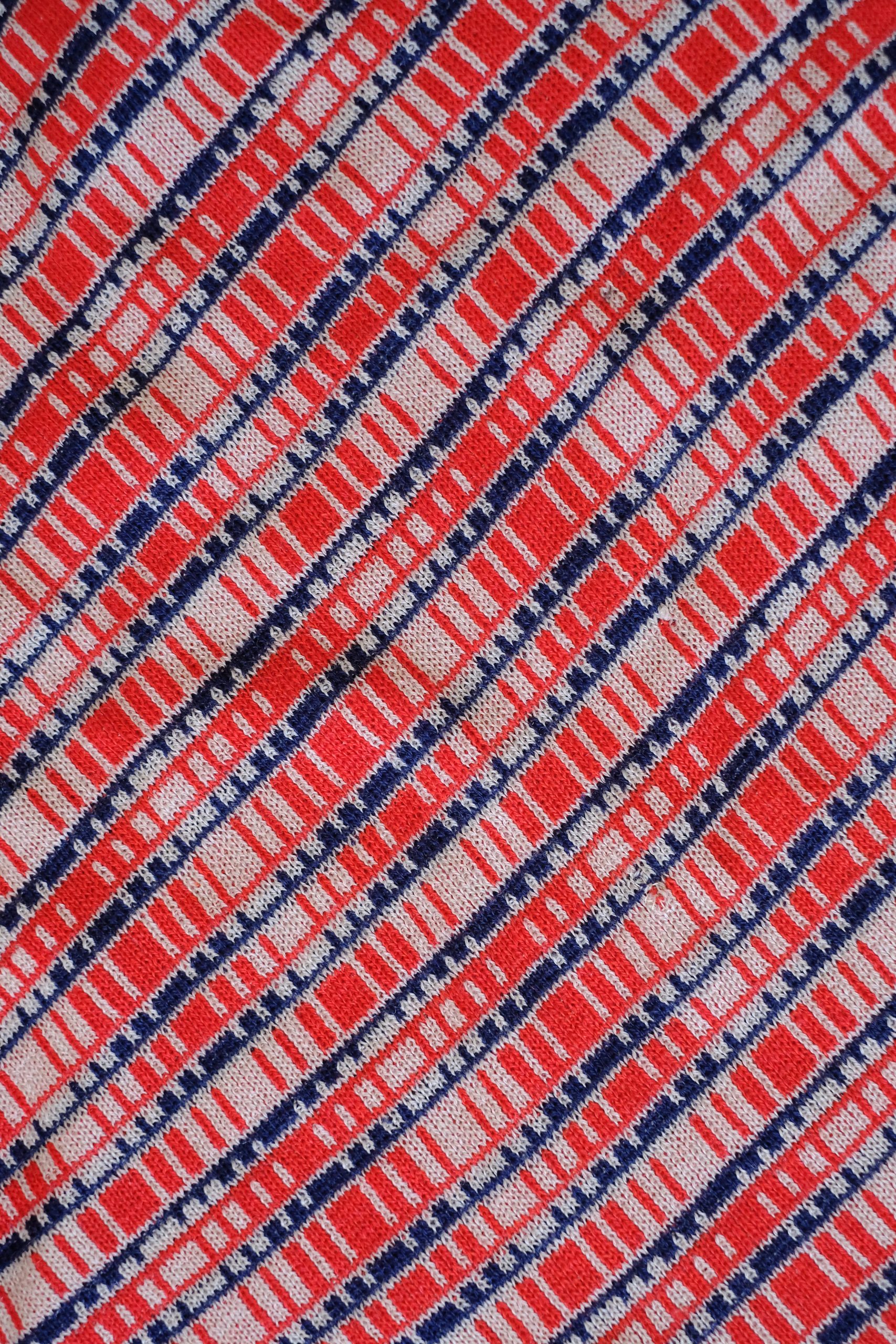
Markéta Othová, born in Brno, Czechia, in 1968, is considered an important contemporary photographer and media artist who has gained international recognition for her large-format black-and-white series, her exploration of time and memory, and her precise visual syntax. In Othová’s works, everyday, unspectacular motifs are staged to become a poetic experience, often with a touch of memory or cinematic quality. Othová works with stills that do not tell an obvious story, but rather create a rhythm in the viewer’s inner eye. The growth of the series creates a melancholic, almost cinematic sense of time into which the viewer brings their own memories and feelings. She deliberately presents repetitive fabric patterns, clearly intended as a reference to the work of Marianne Aue and as a reminiscence of the traditional fabric designs of her mother’s and grandmother’s generation. She combines industrial production with individually experienced time.
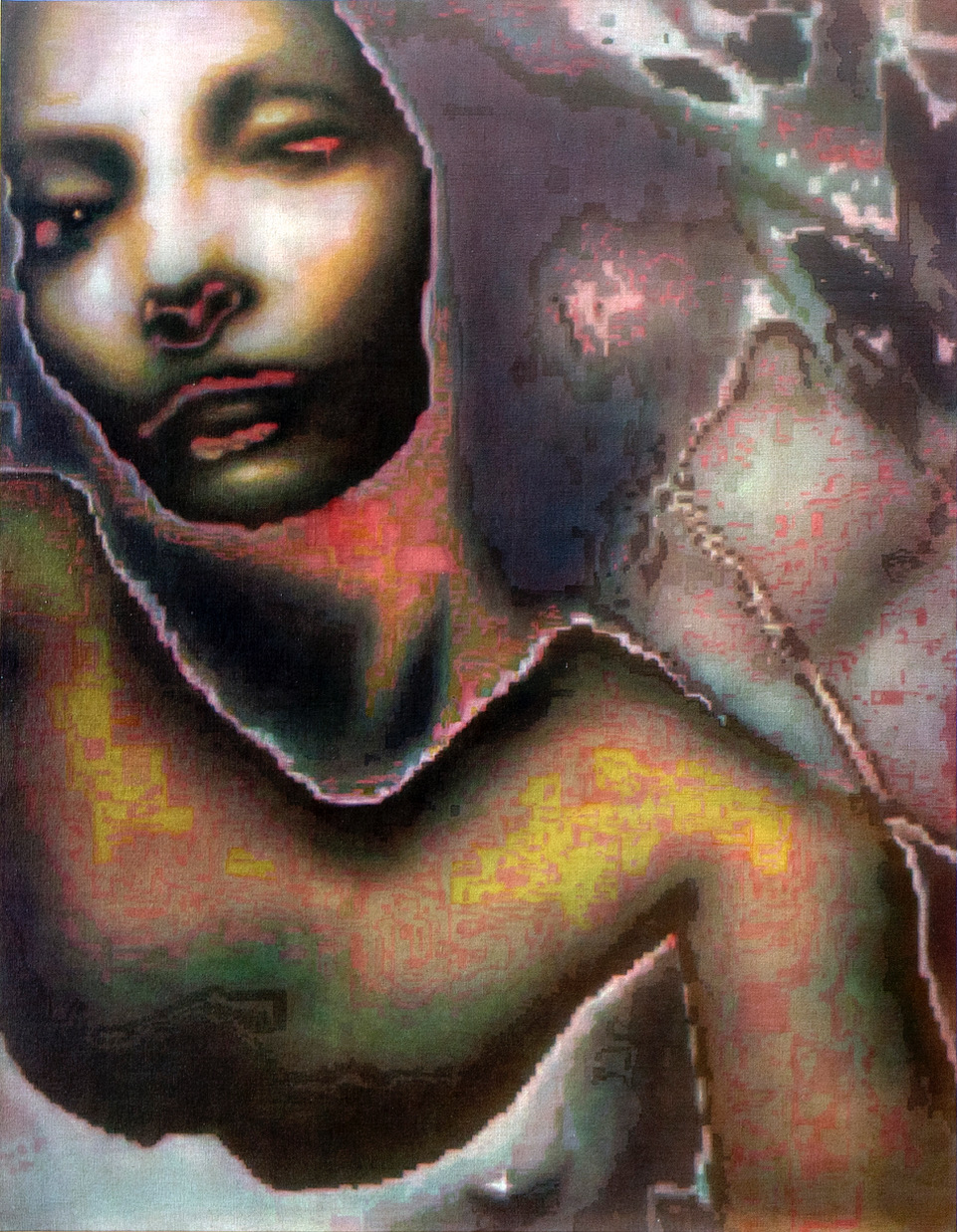
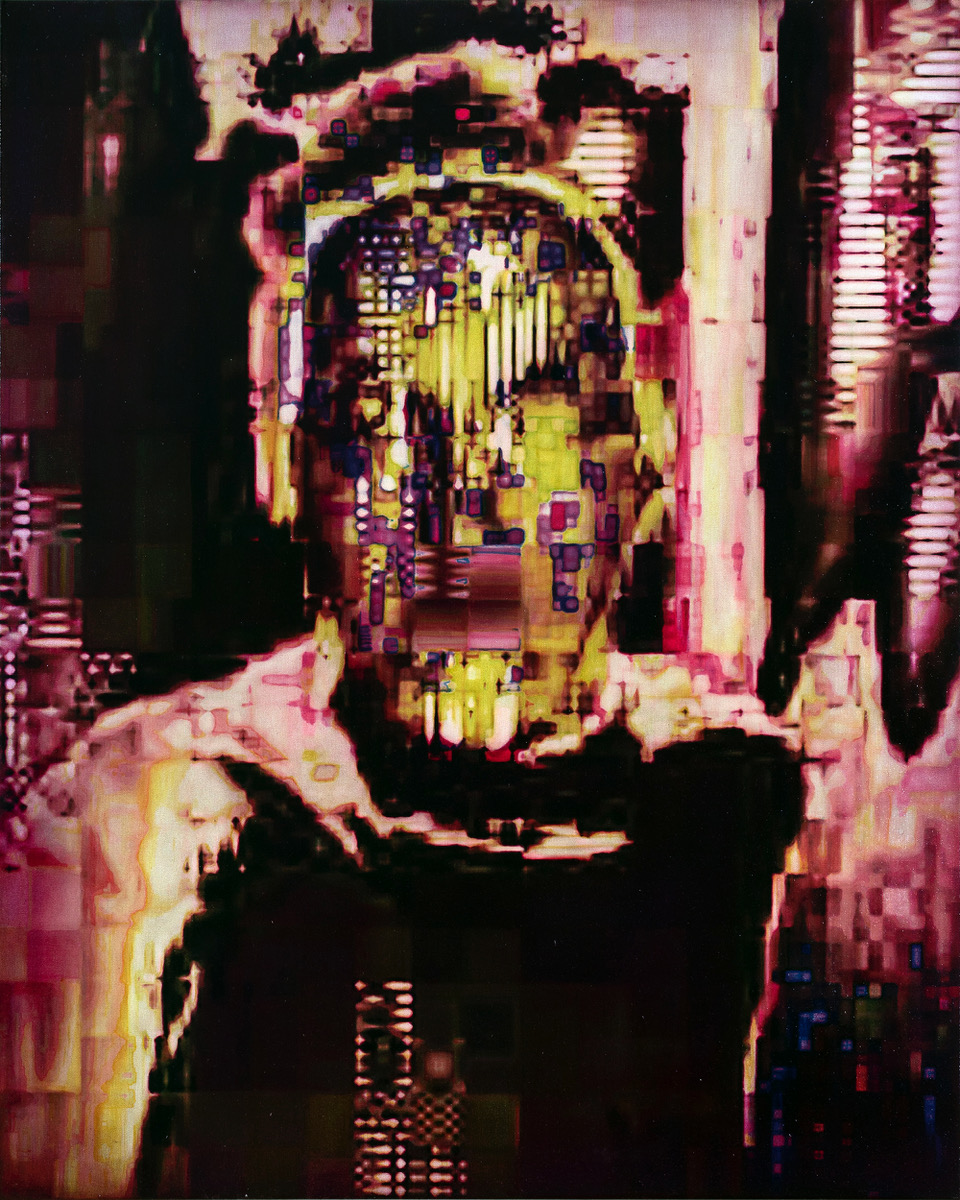
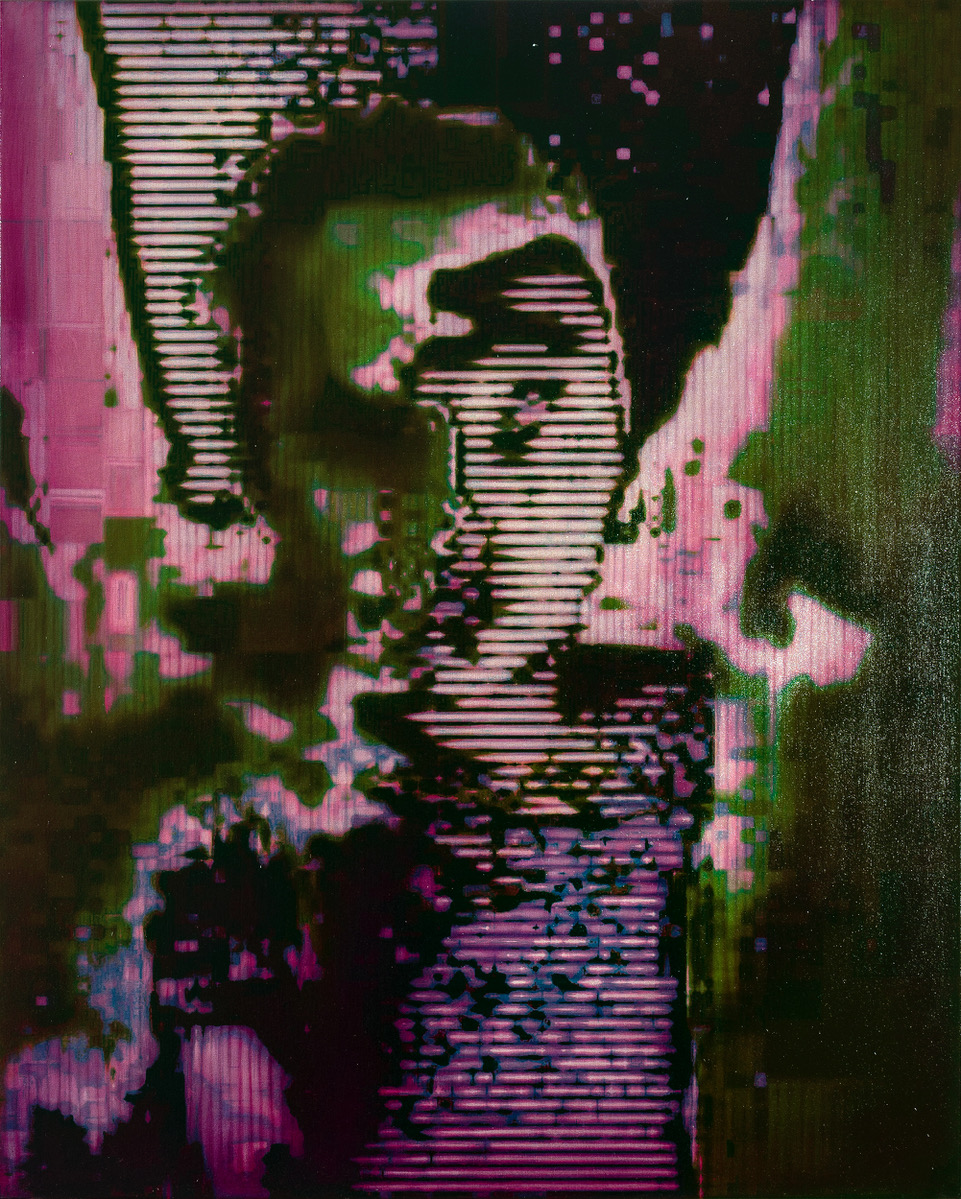
Kamila B. Richter, born in Olomouc, Czechia, in 1976, takes a completely different approach, working at the intersection of digital media, classical painting, and interactive installations. She is particularly interested in how digital reality and media images shape our perception. She takes a critical look at today’s visual culture and the way data shapes our view of the world. Her works often combine digitally generated information such as stock market data or live feeds from the internet with interactive installations and web-based projects. She is also known for traditional oil paintings based on digitally altered and shaky photos, which are created in layers, sometimes over weeks. Since around 2011, she has also been known for traditional oil paintings based on digitally altered and shaky photos taken with old mobile phone cameras, created through layers that sometimes last for weeks. She uses precisely these digital imperfections as artistic material, translating the aesthetics of blurriness into painting. A recurring theme is mediatized reality, i.e., how technical limitations such as low resolutions have now become part of our perception.
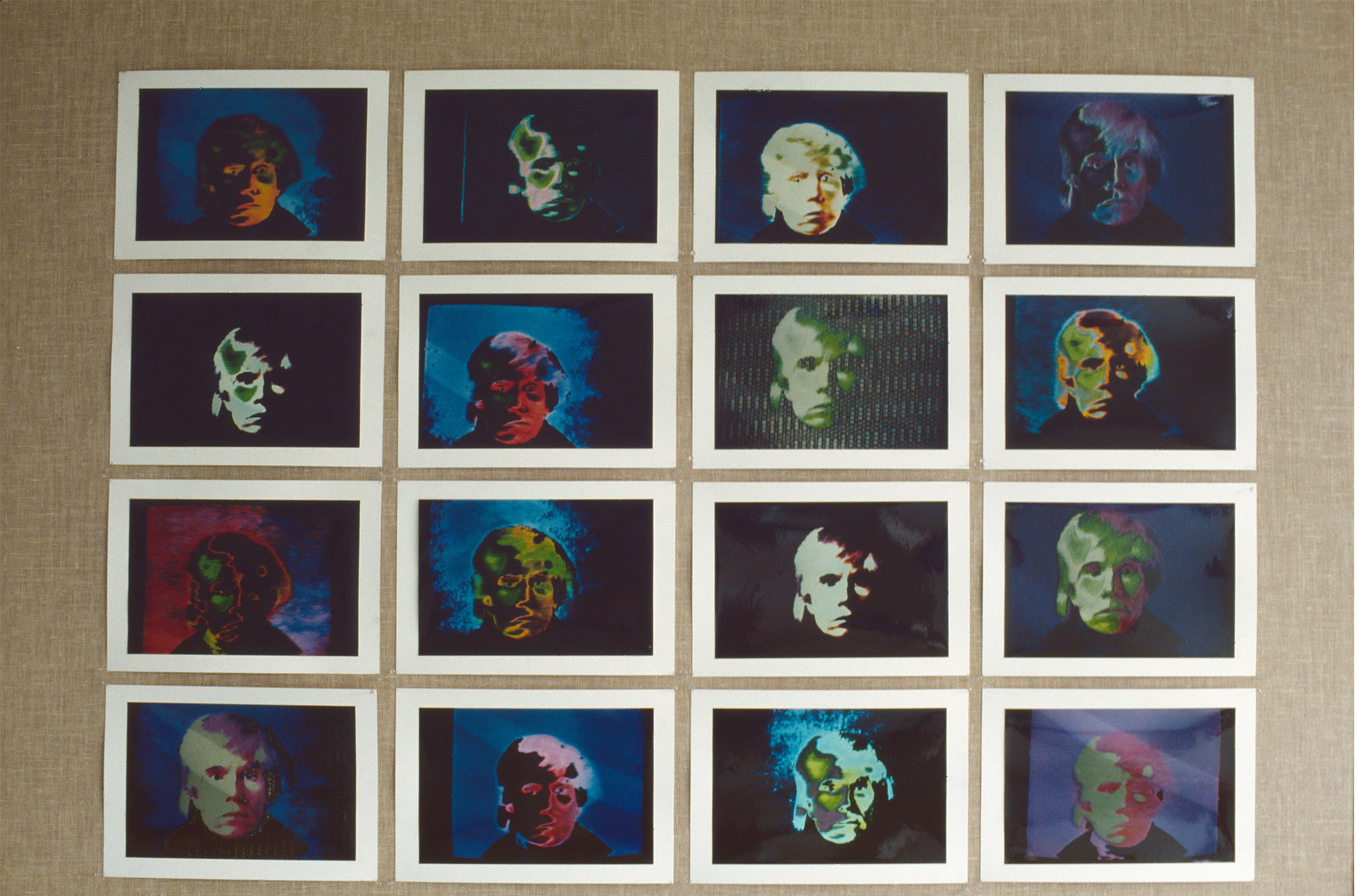
Michael Bielický, born in Prague in 1954, has had a decisive influence on the development of digital media art since the 1980s. His works range from photography, experimental video forms, and interactive installations to network- and data-based art projects. He is one of the first artists in Europe to use electronic, digital, and interactive technologies in art. Experimental video works from the 1980s are characterized by the technologies of their time: VHS editing, stop motion, and technical distortion. They create a powerful atmosphere that oscillates between reality, speculation, and technology by evoking visual appearances from media history. Bielický explores video not only as a medium, but as a sculptural and spatial experience. He uses navigation-based, interactive web technologies to artistically address movement and space. Since 2005, Bielický has often collaborated with Kamila B. Richter on generative, web-based installations. In projects such as “Lost Objects,” “Falling Times,” and “Columbus 2.0,” live data from the internet, for example from tweets or stock market news, is transformed into visual narratives; their presentation changes in real time and appears fragmentary, playful, and critical at the same time. The viewer observes animated, often abstract symbols, pictograms, and shapes that move dynamically and connect with each other, not like classic images, but like flowing data landscapes.
Both exhibitions are generously supported by the Gallery Zdeněk Sklenář, Prague.

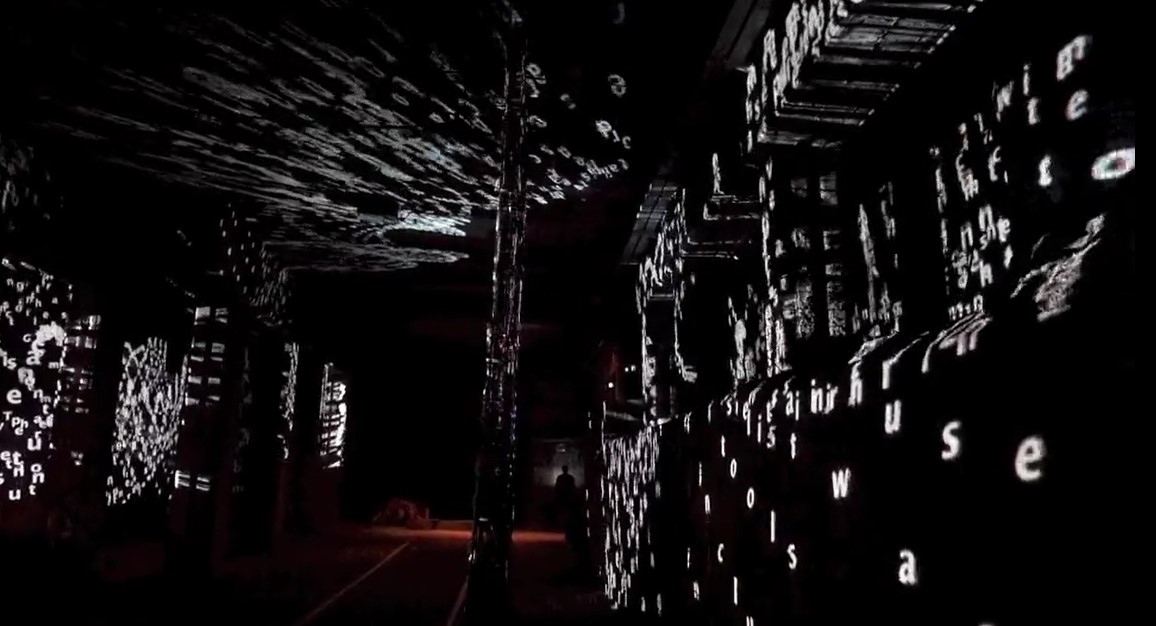
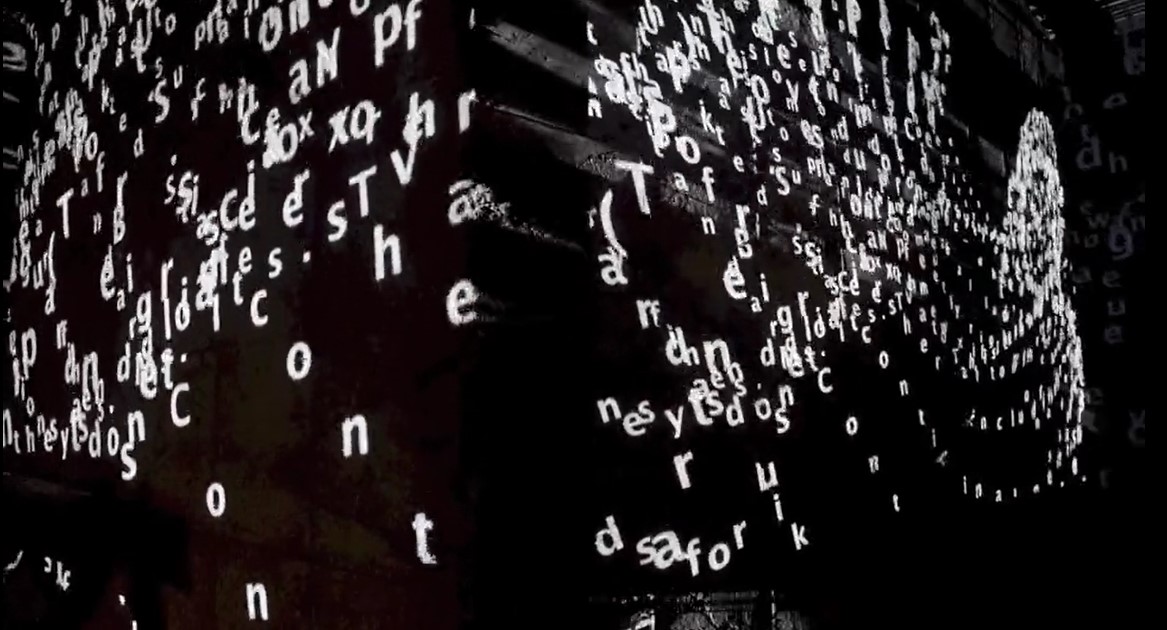

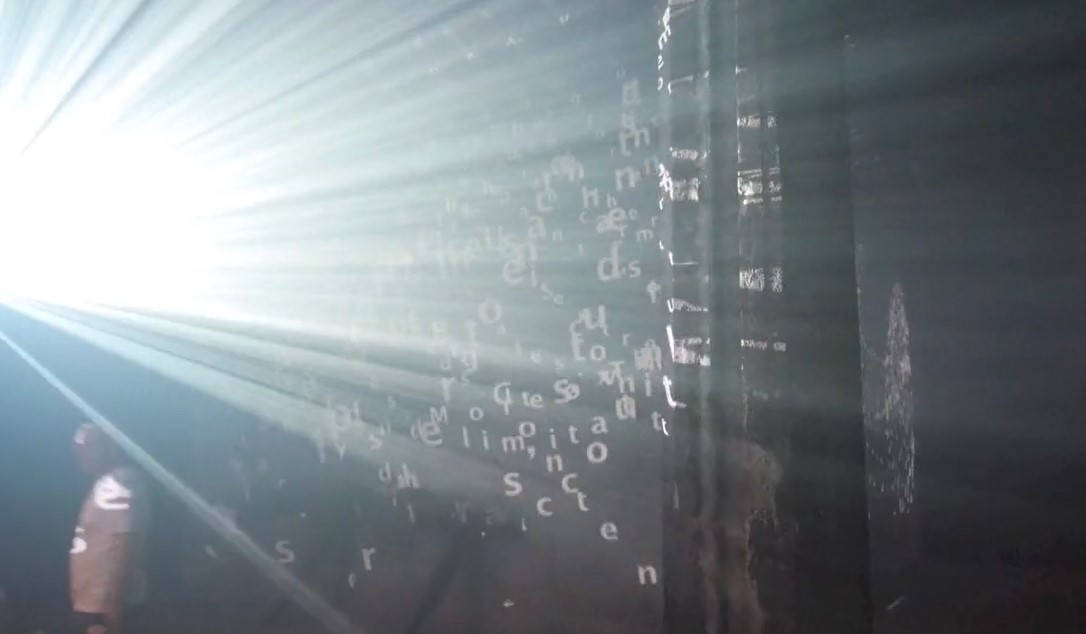
Michael Bielicky & Kamila B. Richter: DATA STEEL. Colours of Ostrava. Data driven Installation, 2015, produced by Gallery Sklenar